
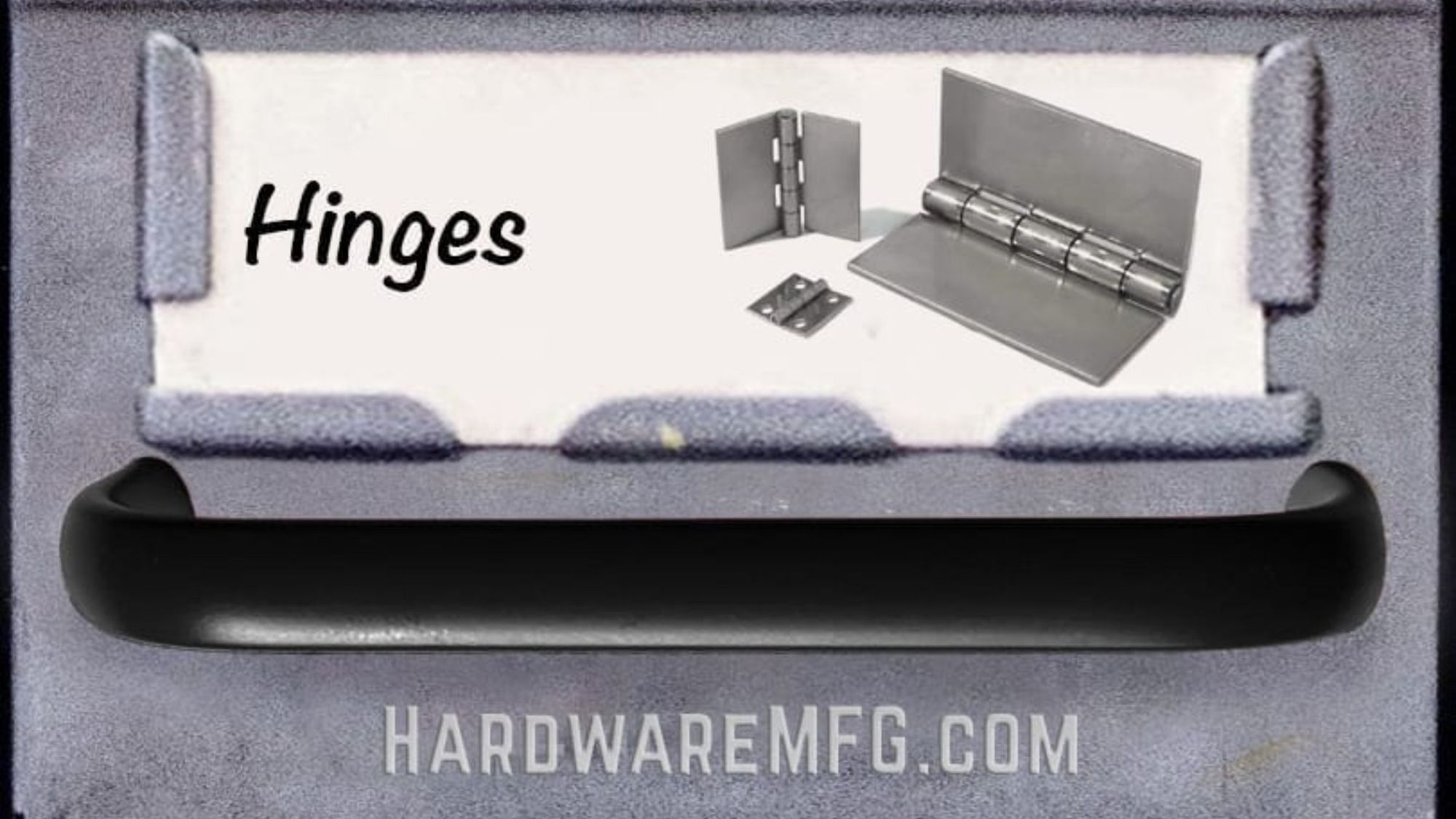
Stainless steel weld-on hinges are the go-to choice for big industrial jobs that need super-strong, permanent door or gate connections.
These hinges handle the heaviest loads on trailers, big machines, and security gates because they weld right onto the metal frame. This creates a solid bond that won't wiggle or fail as regular bolts might.
Large-scale manufacturing plants use these to make sure their equipment stays safe and runs smoothly for years without any drama.
Top 8 Industrial Uses for Weld-On Hardware
Big projects need gear that can handle a beating. Here are eight ways pros use these tough hinges in the real world:
Shipping Container Doors: Huge metal boxes carry goods across the globe. They need hinges that stay put when the sea gets rough and the rain hits hard.
Commercial Refrigeration Units: Large walk-in freezers for food warehouses need heavy doors. These hinges create a tight seal that keeps the cold air inside.
Big Ag Machinery: Tractors and harvesters work in dirt and mud. A weld-on setup stops vibration from shaking the parts loose while the farmer works.
Security Gates for Plants: Factories use massive steel gates to keep things safe. Weld-on hinges keep these heavy gates from sagging over time.
Industrial Oven Doors: High heat can kill a normal hinge. These metal parts handle the heat and keep the seal tight on big baking or drying units.
Waste Truck Lids: Garbage trucks take a lot of abuse. Weld-on hardware stays strong when the truck tips and bangs the lids all day long.
Marine Engine Room Access: Boats deal with salt all the time. Using stainless steel weld-on hinges (typically 304 grade) stops the salt from eating the metal and jamming the door.
Chemical Storage Tanks: Factories that move chemicals need doors that won't fall off. Weld-on points offer a seamless look that is easy to clean and very tough.
Why Material Choice Matters for Weld-On Parts
Selecting the right metal is the biggest step in a big build. Most shops use mild steel for standard jobs because it is cheap and easy to weld.
However, if the machine stays outside or works in a wet spot, stainless steel is the way to go. It keeps the rust away. Some shops even use aluminum hinges with stainless pins to save on weight, but keep the strength.
Custom Builds for Big Production Lines
Manufacturing isn't one-size-fits-all. Big projects often need a specific "offset" or a certain "spring action" to make a door close on its own.
Engineers look for hardware that fits their unique blueprints. When buying thousands of units for a new line of trailers, getting the size and form just right saves time on the assembly line.
Adding stainless steel weld-on hinges to a design means the end-user won't have to tighten bolts or replace snapped fasteners later on. It is a "set it and forget it" solution for the pros.
The Power of 304 Stainless in Industry
Most industrial weld-on hinges use 304 stainless steel. It is a "workhorse" metal. It fights off rust and handles high stress without breaking the bank.
While some fancy gear uses 316 grade, it is actually quite rare to find stainless steel weld-on hinges in that specific alloy.
304 does the job for 99% of big rigs and factory gates. It welds clean and looks professional, which is what every plant manager wants for their facility.
Key Takeaways
- Weld-on hinges provide a permanent bond that outlasts bolt-on versions in high-vibration spots.
- The 304 stainless steel grade offers the best balance of rust defense and cost for large orders.
- Grease fittings are a must-have for heavy doors to keep the internal pin from wearing out.
- Customizing the size and spring action helps speed up the manufacturing process for new equipment.
- Aluminum versions with stainless pins offer a lightweight option that still resists salt and water.
Frequently Asked Questions
Q.1) Can I get these hinges in 316 stainless steel?
For weld-on hinges, 316 stainless is usually not an option. Most pros use 304 stainless because it is very strong and fights rust well. If you need a weld-on part, stick with 304 or mild steel for the best results on your project.
Q.2) What is the best way to weld these?
Most shops use TIG or MIG welding for stainless steel. You have to make sure the "filler" metal matches the hinge so the bond is perfect. If the metals don't match, the weld might crack later, which is a big "no-no" in industrial manufacturing.
Q.3) How much weight can these hinges hold?
These are "load-rated" parts. That means they have been tested to hold a specific amount of tons or pounds. Always check the load rating before you put them on a massive gate. Using the wrong hinge can lead to a dangerous failure on the job site.
Q.4) Do these hinges come with grease holes?
Yes, many industrial hinges have grease fittings. This lets you pump in lubricant to keep the pin spinning smoothly. In big plants, keeping the hinges oiled is the best way to make sure the heavy doors don't jam up or get hard to open.
Tough Hardware for Toughest Jobs
Picking the right hardware keeps big projects running on time and on budget. For those building heavy gear, stainless steel weld-on hinges offer the best strength for the price.
If your project needs a custom size, form, or spring action, HardwareMFG has the tools to get it done right. Based in Saint Louis, MO, they handle large-scale orders and custom machining for any industrial need.
Give them a shout to see how their load-rated gear can upgrade your next big build!